






Avoid hidden rubbish removal charges in Chelsea
Posted on 27/08/2026
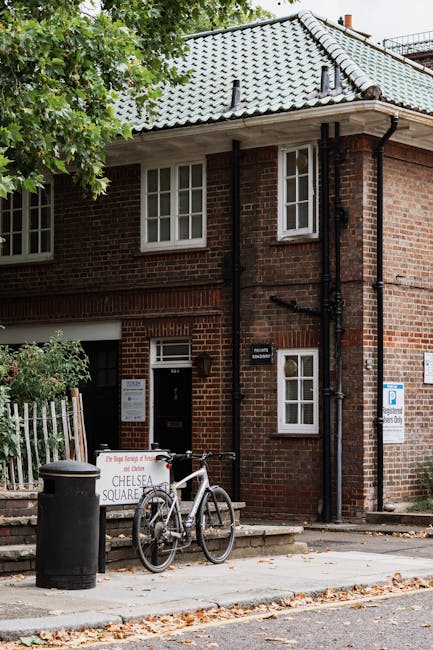
Avoid hidden rubbish removal charges in Chelsea: a practical guide to paying the right price
If you have ever booked a clearance job and then felt that little knot in your stomach when the final bill arrived, you are not alone. Hidden charges can turn a tidy plan into an annoying surprise very quickly. This guide to Avoid hidden rubbish removal charges in Chelsea shows you how to spot vague pricing, ask the right questions, and compare quotes with confidence before anyone starts loading a van.
Chelsea has its own rhythm. Tight streets, apartment blocks, mews houses, shared entrances, awkward parking, and the odd lift that is always "out of service" at exactly the wrong moment. Those details matter. They can affect access, labour time, and the true cost of rubbish removal, which is why a cheap headline price is not always the real price. Let's face it, nobody enjoys paying more because of a detail that should have been mentioned from the start.
This article breaks the topic into plain English: what hidden charges look like, how legitimate pricing should work, what to check before booking, and how to stay in control whether you are clearing a flat, a garden, an office, or builders' waste. You will also find a checklist, a comparison table, and a realistic example from a Chelsea-style job.
Why hidden rubbish removal charges matter
Hidden fees are more than a nuisance. They can distort your budget, delay a move-out, complicate landlord handovers, and make a simple clear-out feel harder than it should. In Chelsea, where jobs often involve access challenges and parking constraints, pricing needs to be particularly transparent. If it is not, you may end up paying for things you never expected, such as extra labour, parking, waiting time, or disposal surcharges.
What makes this especially frustrating is that the job may still look straightforward from your side. A few bulky items, some bagged waste, maybe an old mattress. But a crew arriving on a busy afternoon in SW3 may face stair-only access, no nearby loading space, and a longer carry distance. Those are real factors. The problem is not the factor itself; it is when it is hidden until after the work is complete.
If you are comparing providers, clear pricing should be part of the service quality. Good operators will explain what is included, what could change the price, and what needs to be confirmed from your photos or description. If you want to understand the wider range of options before you book, the services overview is a sensible starting point, and the pricing and quotes page can help you see how a proper estimate is usually framed.
One small but important point: hidden charges often appear where the customer has not been asked enough questions. So if a company seems oddly relaxed about details, be a bit cautious. Friendly is good. Vague is not.
How rubbish removal pricing should work
A trustworthy rubbish removal quote usually reflects a mix of visible job factors rather than a magic number pulled from thin air. The main drivers are the amount of waste, the type of waste, access, labour needed, and disposal costs. For some jobs, photos are enough. For others, especially larger clearances, an on-site or more detailed assessment may be the better route.
In practical terms, the quote should tell you what is included. That might be vehicle use, loading, lifting, transport, and disposal. It should also say what could change the price. For example, if the team arrives and the waste is much heavier, more mixed, or harder to reach than described, the quote may need adjusting. That is normal. The key is that the rule is explained before anybody turns up.
There is also a difference between a genuine estimate and a fixed price. An estimate is an informed guide, while a fixed price is meant to stay fixed if the job matches the description. If you are quoted one number by message and another on arrival, ask why. Was the original information incomplete, or was the pricing simply not honest? There is a difference, and it matters.
For Chelsea homeowners, renters, landlords, agents, and businesses, it helps to think in layers:
- Base cost: the main charge for the job.
- Access cost: extra time or effort due to stairs, distance, or restricted parking.
- Weight or volume adjustments: heavier loads or more waste than expected.
- Special waste handling: items that need careful segregation or special disposal.
- Time-related charges: same-day bookings, late changes, or waiting time if the site is not ready.
That is the core of it. Straightforward, when it is explained properly.
Key benefits and practical advantages
The obvious benefit of avoiding hidden charges is saving money. But honestly, the deeper benefit is control. You know what you are agreeing to, you know what the job includes, and you can plan the day without second-guessing every line item.
Here are the practical advantages of clear pricing:
- Better budgeting: you can compare quotes properly instead of chasing the lowest headline number.
- Less stress: no awkward conversations at the kerbside when the van is already there.
- Faster decisions: when pricing is clear, booking becomes easier.
- Fewer disputes: everyone understands what was agreed.
- Better job planning: you can prepare access, item lists, and timing more effectively.
It also helps with larger life moments. Clearing a flat after a tenancy, sorting a house clearance, or emptying an office can already feel like enough. When the pricing is transparent, the removal itself becomes just one task, not a mini drama. And that is usually what people want. Simple, done, gone.
If you are comparing service types, it can help to match the job to the right page. For example, a full property empty-out is not the same as a garden tidy-up or builder's rubble collection. The relevant pages for house clearance in Chelsea, garden waste removal, and builders waste disposal help show how different jobs are framed.
Who this is for and when it makes sense
This topic matters to almost anyone booking waste removal in Chelsea, but it is especially useful if you are:
- moving out of a flat or maisonette
- clearing after renovations or decorating
- managing a landlord or lettings handover
- emptying an office or commercial unit
- disposing of bulky furniture, broken appliances, or mixed waste
- trying to compare several quotes without getting confused
It also makes sense if you are planning a same-day or next-day collection, because rush bookings can tempt people into accepting the first price they hear. A quick decision is fine. A rushed one, not so much.
Some Chelsea jobs are particularly prone to surprise costs. Think of basement flats with stairs, managed blocks with delivery windows, or addresses where the van cannot park close by. If that sounds familiar, you should ask about access before anything else. You would be amazed how much money and time that one question can save.
For flats around narrow streets and hard-to-load properties, it is also worth reading practical local advice such as Chelsea flat clearance tips and same-day rubbish removal tips around Sloane Square. Those pages are useful because they reflect the kind of real-world access issues that shape the final bill.
Step-by-step guidance
Here is a practical way to avoid hidden rubbish removal charges in Chelsea, without overcomplicating it.
- List everything you want removed. Be precise. "Old stuff" is not a useful description. "Two wardrobes, one mattress, six black bags, and a broken desk" is much better.
- Send photos from different angles. Wide shots help, but so do close-ups of bulky items, stair access, and anything awkward.
- Explain the access. Mention stairs, lifts, parking, gate codes, and whether the team can get close to the entrance.
- Ask what the quote includes. Loading, labour, transport, disposal, VAT if applicable, and waiting time should all be clear.
- Ask what could change the price. A genuine operator will explain this calmly, not defensively.
- Confirm special items. Paint, fridges, mattresses, plasterboard, and other problem items can affect the quote.
- Get the final price in writing. Even a clear message is better than a vague phone promise.
- Check timing and arrival expectations. Same-day availability can be helpful, but only if you know what happens if access is delayed.
A quick example: you ask for a quote to remove a sofa, a bed frame, and several bags from a second-floor flat. The quote looks fine. But if you later reveal the lift is too small and the item has to be dismantled on-site, the price may shift. Not a scam, necessarily. Just an incomplete briefing. The best way to stay in control is to think like the person loading the van, not just the person living with the mess.
Expert tips for better results
From experience, the biggest savings usually come from preparation, not haggling. A few smart steps can make the quote more accurate and the job smoother.
- Pre-sort what you can. Separate recyclables, reusable items, and general waste where practical.
- Stack items clearly. If the team can see what is there, they can judge the load more accurately.
- Measure awkward items. A sofa that fits in a photo might still be a nightmare through a narrow corridor.
- Book when you are ready. If the property is still mid-clear-out, prices can become messy.
- Ask about room-by-room or load-by-load pricing. Some jobs are easier to price that way, especially clearances with mixed items.
A small human tip: if you are sending photos at 8:00 in the morning with a coffee in one hand and keys in the other, make sure the images actually show the waste. Sounds obvious. Happens all the time.
You can also improve accuracy by choosing a provider with strong service information. A clear about us page, transparent payment details, and clear policy pages tend to be a good sign. For extra reassurance around transactions and data handling, the pages on payment and security, privacy policy, and terms and conditions can tell you how a company handles the basics.
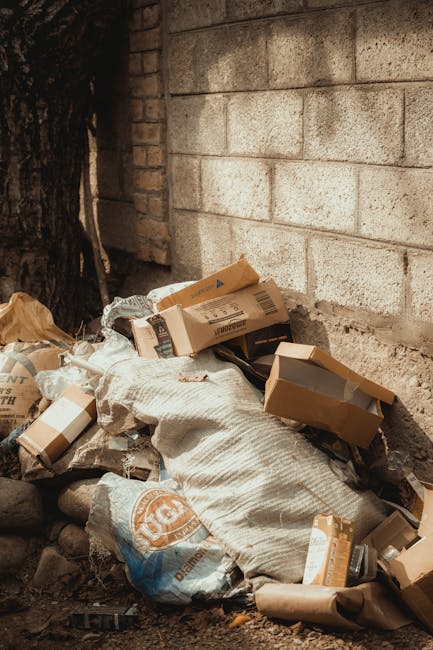
Common mistakes to avoid
Most hidden-charge problems come from avoidable mistakes. Here are the big ones.
- Choosing the cheapest headline price only. A low starting price can be misleading if it excludes labour, access, or disposal.
- Not mentioning stairs or parking restrictions. In Chelsea, this is a classic way to trigger a revision.
- Ignoring special waste. Certain items need more care and may cost more to handle.
- Leaving the site unprepared. If the crew has to wait while you sort through belongings, that can affect the final total.
- Assuming "all-inclusive" actually means all-inclusive. Ask what the phrase covers. Properly. Every time.
- Failing to confirm the quote basis. Is it based on volume, weight, labour, or a mix of all three?
One subtle mistake is underestimating how much waste you actually have. A half-full corner of a room can look tiny until it is being loaded into a van. The air between items counts for less than the space the items occupy. That sounds dull, but it is exactly where estimates go sideways.
Another issue is not comparing like with like. A basic clearance quote is not the same as a premium, timed, or man-and-van style service. If you want to compare service levels properly, look at the wider range on the waste clearance Chelsea page and the broader services overview.
Tools, resources and recommendations
You do not need special software or a complicated system. A few simple tools are enough to avoid nasty surprises.
- Phone camera: take clear photos before the job begins.
- Short written list: write down every item and any special access notes.
- Basic tape measure: handy for sofas, wardrobes, and appliances.
- Mailbox or booking notes: keep your quote details in one place.
- Calendar reminder: useful for timing the collection and preparing access.
When comparing providers, useful signs of professionalism include clear pricing information, open service pages, and a sensible explanation of what happens on the day. If you have a builders' project, the dedicated builders waste disposal page can help you think through heavy or mixed-site waste. For office moves, the office clearance Chelsea page can be a better fit than a general domestic clearance.
If your job involves sustainability concerns, check the company's approach to recycling and separation. A responsible service should be able to talk through how materials are handled in ordinary terms, without making it sound like a mystery. The recycling and sustainability page is particularly relevant if you want to understand that side of the process.
Law, compliance and best practice
This is the part many people skip, but it is worth a careful read. In the UK, waste removal businesses need to operate responsibly and handle waste lawfully. As a customer, you do not need to memorise every rule, but you should expect the company to act in line with proper waste handling, safety, and business conduct.
Best practice usually means the following:
- clear and honest pricing before the job starts
- proper handling of waste streams and recyclable materials
- safe loading and lifting practices
- transparent communication if the job changes
- respect for access, neighbours, and property
If a provider cannot explain how they manage waste, safety, or payment terms in straightforward language, that is a warning sign. The same goes for unclear booking conditions. A clean quote and clear terms are not just nice extras. They are part of a reliable service.
For peace of mind, it is also sensible to review pages dealing with insurance and safety and the company's modern slavery statement. Those pages are not about the price itself, but they do help you judge whether the business takes its responsibilities seriously. That matters more than people sometimes admit.
Options, methods, and a simple comparison table
Different types of rubbish removal have different pricing pressures. A direct comparison can help you choose the right method before fees creep in.
| Option | Best for | Pricing clarity | Risk of hidden charges |
|---|---|---|---|
| Photo-based quote | Small to medium jobs with clear access | Usually good if the photos are detailed | Low to medium if details are complete |
| On-site assessment | Large clearances, awkward access, mixed waste | Very strong | Low, because the job is seen properly |
| Fixed all-inclusive quote | Defined jobs with predictable access | Excellent, if terms are clear | Low when exclusions are explained |
| Open-ended estimate | Jobs with uncertain volume or incomplete info | Weaker | Higher if the description is vague |
To be fair, not every job needs a site visit. A well-described flat clearance with strong photos can be quoted accurately. But if you are dealing with a period property, basement access, or a full house clear-out, an assessment is often the calmer route. Less guesswork, fewer surprises.
For local context and case-style reading, you may also find these Chelsea-specific pages helpful: bulky waste options near Chelsea Harbour and a quieter look at Chelsea's streets and homes. They are not pricing pages as such, but they help explain why local access and property layout matter so much.
Case study or real-world example
Picture a typical Chelsea flat clearance. The customer wants to remove a sofa, a double mattress, a coffee table, three bookcases, and around ten bags of mixed household waste. The flat is on the third floor of a Victorian conversion, with no lift and limited parking outside. The customer initially receives a low quote from one provider, but the quote says little beyond "collection from GBPX."
Instead of booking immediately, they send a fuller description to a provider that asks for photos, access notes, and a rough item count. The revised quote includes labour, loading, and disposal, with a clear note that extra items or unusual access could alter the price. On the day, the team arrives, confirms the load, and completes the job without the awkward "oh, by the way" moment that people dread.
What made the difference? Not luck. Preparation.
The customer had grouped items together, measured the largest pieces, and told the provider there was no lift. That allowed the quote to reflect the real job instead of an optimistic version of it. It was not the cheapest headline price. But it was the best value because it was honest. And honestly, that is usually what people remember afterwards.
Practical checklist
Use this before confirming a booking.
- Have I listed every item that needs removing?
- Have I provided clear photos from more than one angle?
- Have I explained stairs, lifts, parking, and loading access?
- Have I asked whether labour, transport, and disposal are included?
- Have I checked whether special items may affect the price?
- Have I confirmed whether the price is fixed or an estimate?
- Have I asked what might trigger an extra charge?
- Have I saved the quote in writing?
- Have I compared the quote with at least one alternative if the job is non-urgent?
- Have I checked the company's safety, payment, and terms information?
If the answer to one or two of those is no, pause and ask. That pause can save money. More importantly, it can save hassle.
Conclusion
Hidden rubbish removal charges are avoidable when you slow the process down just enough to ask clear questions and share proper details. In Chelsea, where access and property layout often affect the real cost, transparent quoting is not a luxury; it is basic good service.
The smartest approach is simple: describe the job accurately, confirm what is included, check for likely extras, and keep the agreement in writing. Do that, and you will be far less likely to face awkward surprises on the day. A little care at the start tends to pay off, and sometimes it pays off quite a lot.
If you are planning a clear-out soon, take a few minutes to review the service pages, compare your options, and ask for a quote that reflects your actual situation rather than a rough guess. Calm, clear, done properly. That is the goal.
Get a free quote today and see how much you can save.
And if you do nothing else, remember this: the best rubbish removal quote is the one that still makes sense after the van has gone.



 Tipper Van - Rubbish Clearance and Rubbish Removal Prices in Chelsea, SW3
 Luton Van - Rubbish Clearance and Rubbish Removal Prices in Chelsea, SW3